
Report
Ukrainians’ Music Preferences 2026
Ukrainian music has become the new norm: 63% of respondents have increased its share in their playlists

* The report is available for download via the form below

Most surveyed Ukrainian citizens demonstrate a high level of awareness of the significance of Constitution Day and the Constitution’s basic principles. At the same time, despite good knowledge of certain provisions of the fundamental law, gaps remain in understanding how constitutional rights and duties are applied in practice. These are the findings of a Gradus survey conducted ahead of the national holiday, which is marked annually on 28 June.
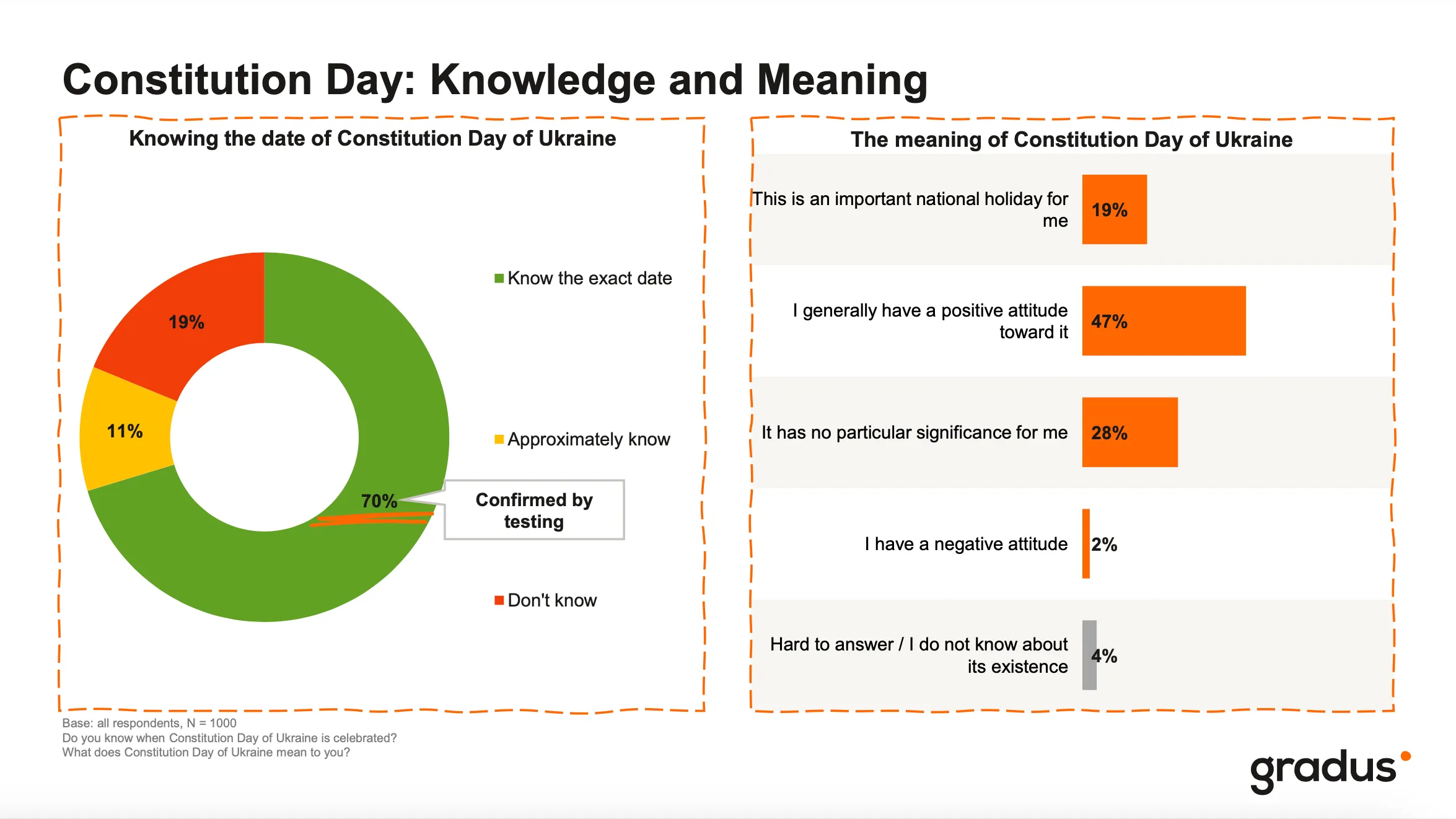
According to the survey, 81% of respondents know the exact or approximate date of Ukraine’s Constitution Day. Perceptions of this national holiday are also predominantly positive: overall, 66% of respondents consider it important or have a favourable attitude towards it.
The survey participants showed a fairly high level of awareness of certain provisions of the Constitution of Ukraine. 90% of respondents identify the document’s main function as establishing the foundations of the state system and human rights. 76% are aware of the right to remain silent and to receive legal assistance when communicating with law enforcement authorities. 67% understand that the people are the bearers of sovereignty and the only source of power in Ukraine.
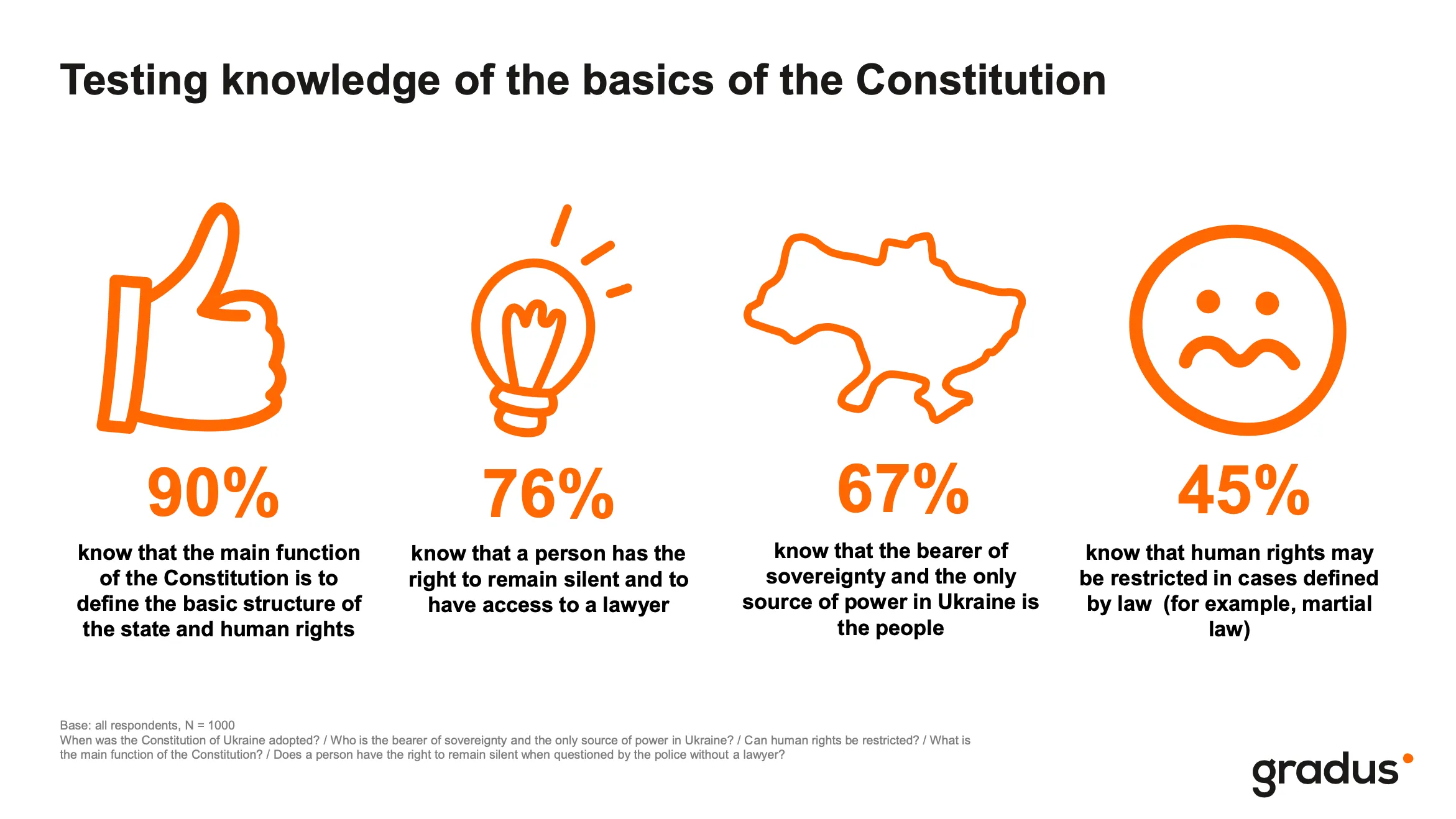
At the same time, only 45% of respondents know that human rights may be restricted in cases prescribed by law, including under martial law.
Most surveyed Ukrainians are confident that they have a good understanding of their fundamental rights. However, assessments of how effectively laws are upheld in practice are much more restrained.
63% of respondents report a high level of understanding of basic rights and freedoms. At the same time, this self-assessment of legal awareness contrasts sharply with respondents’ sense of protection in everyday life: only 19% feel legally protected, while 24% say that human rights are generally respected in the country.
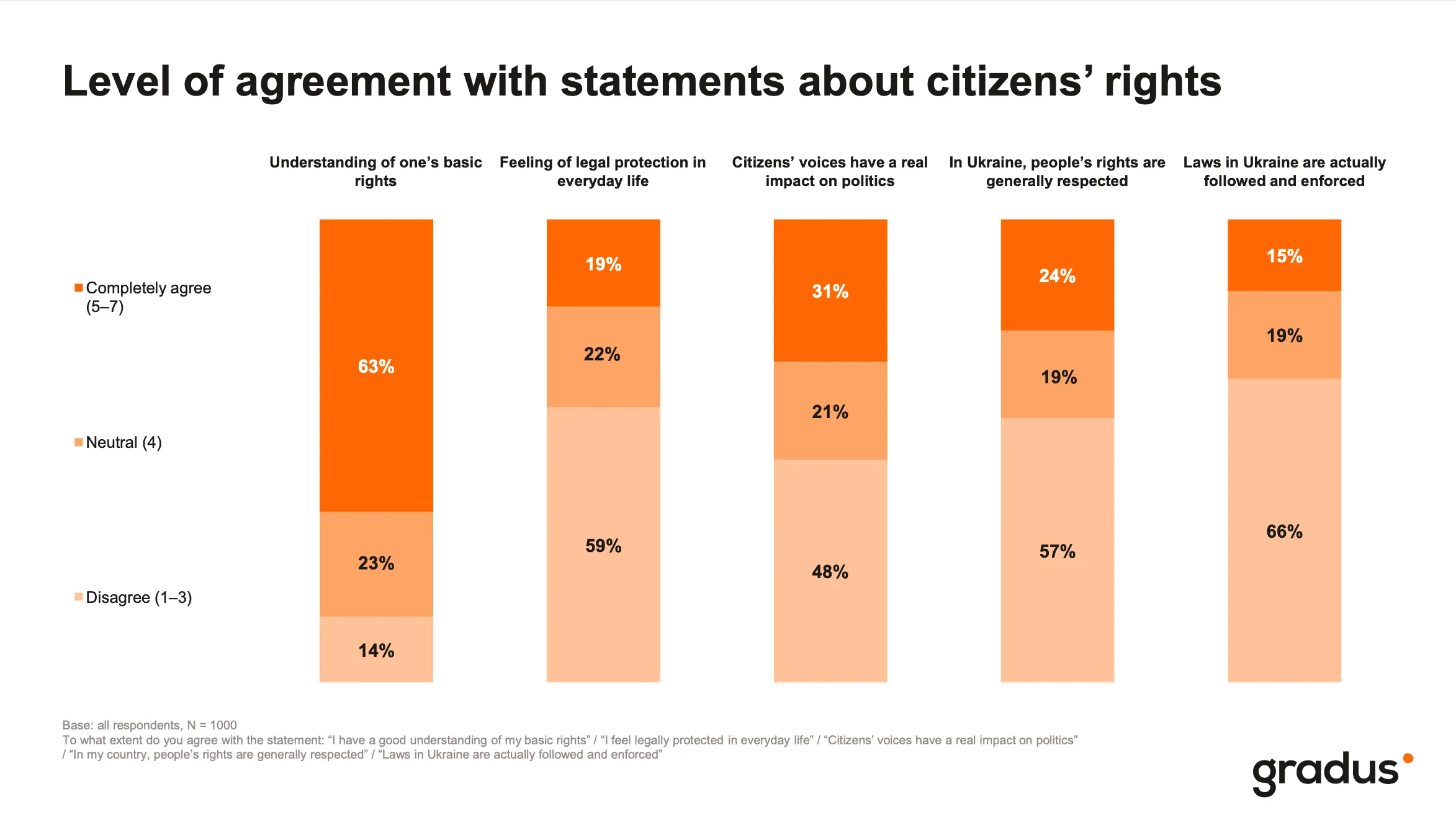
Assessments of personal political agency are somewhat more positive. Nearly one-third of respondents believe that citizens’ voices can have a real impact on political processes.
Overall, respondents are least likely to agree that laws in Ukraine are actually enforced, as well as with the statement that they personally can influence political processes.
People most often acquire knowledge about the Constitution and legislation on their own. This was reported by 54% of respondents.
The education system also plays an important role in shaping legal awareness: 37% of respondents named school as a source of such knowledge, while 25% named university. News, media, and social networks are mentioned less often as sources of information about laws. Respondents rely much less frequently on bloggers or information from their close circle.
“The results of the survey indicate a high level of awareness among Ukrainians of their rights and the key provisions of the Constitution. At the same time, knowledge alone does not create a sense of protection. For citizens, it is equally important to see that laws work in practice and that human rights are respected and protected. Trust in the implementation of these principles remains the most sensitive issue,” comments Evgeniya Blyznyuk, sociologist, founder and CEO of Gradus.
The full survey report is available for download via the form below.
The survey was conducted by Gradus using a self-administered questionnaire in the Gradus mobile app. The sample reflects the population structure of cities with more than 50,000 residents, aged 18–60, excluding temporarily occupied territories and areas of active hostilities. Fieldwork period: 27–28 May 2026. Sample size: 1,000 respondents.
Ukrainian music has become the new norm: 63% of respondents have increased its share in their playlists

Results of the “Quality of Life Barometer 2026” Study, Conducted in Collaboration with the EBA
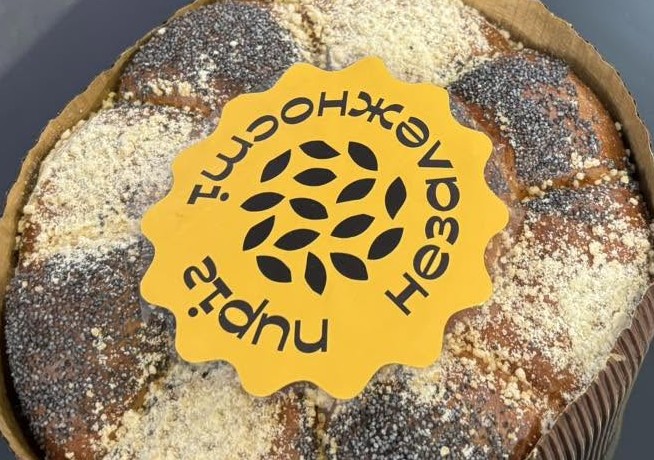
We invite Ukrainians to nominate their own pie and help create a new tradition for celebrating Ukraine’s Independence Day.
How did the public react to the government reshuffle?

How Do Ukrainians Perceive Employers and What Do They Expect from Them?

The third wave of the migration survey, presented at URC 2026