Despite the war, fatigue, and the changing religious landscape, Easter in Ukraine is not losing its significance; on the contrary, it is acquiring new meanings. It is celebrated by almost everyone, but people increasingly invest different meanings into it: from faith to culture, from family to inner support. The research company Gradus conducted an annual survey of Ukrainians to find out how the perception of Easter in society is changing.
The majority of surveyed Ukrainians identify themselves with Christian denominations. The largest share — with the Orthodox Church of Ukraine (35%) and Orthodoxy without specifying jurisdiction (28%). Greek Catholics and believers of the UOC (MP) have comparable shares — about 8% each. The share of atheists and agnostics has decreased from 15% to 11% since last year.
At the same time, the very structure of the responses demonstrates that religious identity remains important, but it is not the only lens through which people perceive Easter.
95% of surveyed Ukrainians state that they celebrate Easter. This is one of the highest indicators among all calendar events. Such a level of coverage makes Easter not only a religious but also a social phenomenon, a shared experience that unites even those who do not associate themselves with a specific church.
Easter Celebration

Most often, Easter is associated with observing traditions, an important religious holiday, and time for family. At the same time, a quarter of the respondents call Easter a part of culture, and not just faith. The religious meaning of this holiday is increasingly intertwined with the cultural and everyday.
Meaning and Perception of Easter

We also see such fragmentation in the perception of Easter in the question where the respondents were asked to choose a single characteristic: for a third of the respondents, it is primarily a religious holiday, a quarter perceive it as a family holiday, and another quarter say that it is rather a tradition than a religion.
Despite different interpretations, 84% of surveyed Ukrainians agree that Easter is an important part of Ukrainian identity. This is one of the few markers where the cultural and the religious converge into a common point.
In 2026, Easter is associated by people primarily with hope (44%), joy (28%), and peace (18%). Alongside this, other emotions are also present: fatigue, tension, caution. This creates a complex emotional profile: the holiday does not detach from reality, but provides the resource to endure it.
This Year’s Easter Emotions (Top-5)

- The church is perceived by the majority as an option, not an obligation. About two-thirds of surveyed Ukrainians (62%) plan to visit a church on different days of the Easter period, most of whom will attend the Sunday service (39%). At the same time, a third (34%) do not plan to go to church, and 15% are still undecided. One of the factors influencing the decision not to attend church during the Easter holidays is safety.
- Why do those who do not belong to any denomination celebrate? Among non-religious Ukrainians, the logic of celebration looks pragmatic: half (52%) perceive Easter as a cultural holiday, 42% — as part of family traditions, and 40% consider it an occasion to gather with loved ones.
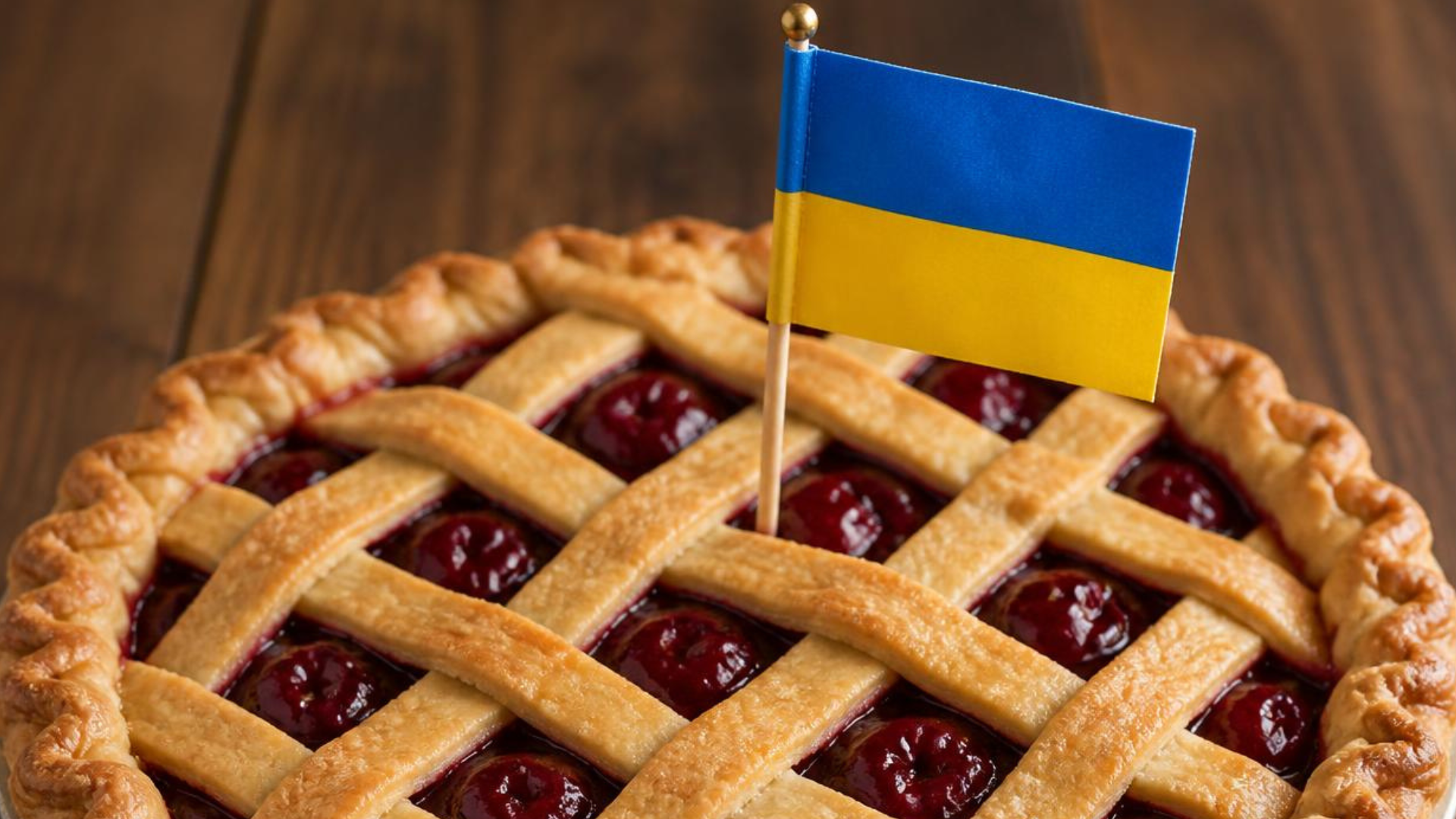
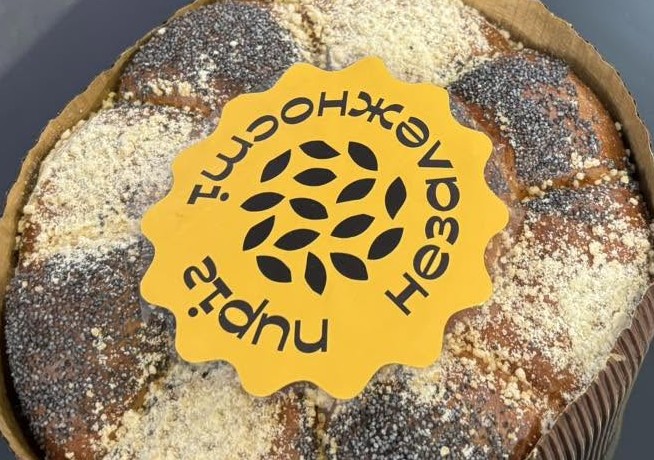
- This year’s Easter celebration is dominated by the home format: 38% of respondents will celebrate at home without guests, 30% plan to celebrate at home with family or friends, and 14% will go visit someone. The set of traditional dishes remains stable: paska (Easter bread) and krashanky (dyed eggs) as the main symbols of Easter.
Easter remains one of the most significant holidays, which is broader than the religious context. Alongside religious meanings, it is endowed with great family value, historical symbols, and emotional experiences. As a result, Easter becomes an emotional tradition for many Ukrainians, acquiring the role of a common denominator for society,
— comments Evgeniya Bliznyuk, sociologist, founder, and CEO of the research company Gradus.
The study was conducted by the research company Gradus using the method of self-completion of a questionnaire in the Gradus mobile application. The sample reflects the population structure of cities with more than 50,000 residents aged 18-60 by gender, age, settlement size, and region, excluding temporarily occupied territories and areas of active combat zones. Fieldwork period: April 7-8, 2026. Sample size: 1,000 respondents.